← Back to globe

2026.04

Bologna

Italy

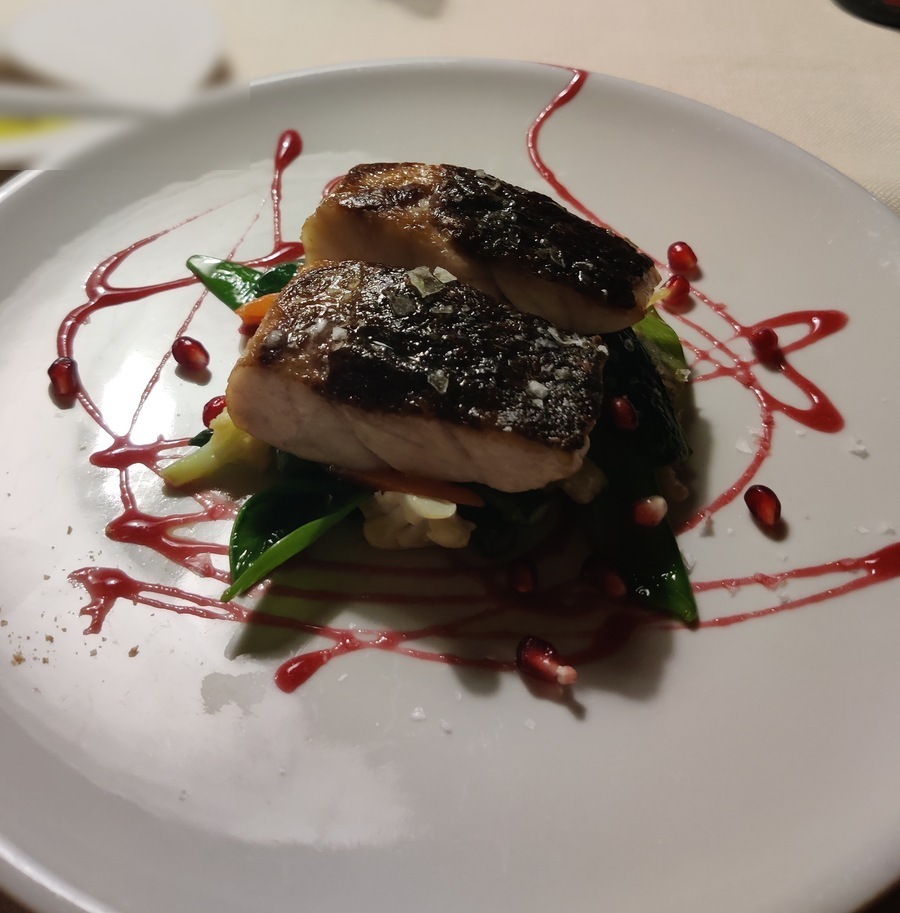
Bologna surprised us more than expected. The hotel restaurant turned out to be worth eating at — fresh olive oil, proper balsamic, a good seabass. The next day we walked the porticoes and had the best tagliatelle ragù I've eaten anywhere. A city where the food history is actually in the food.
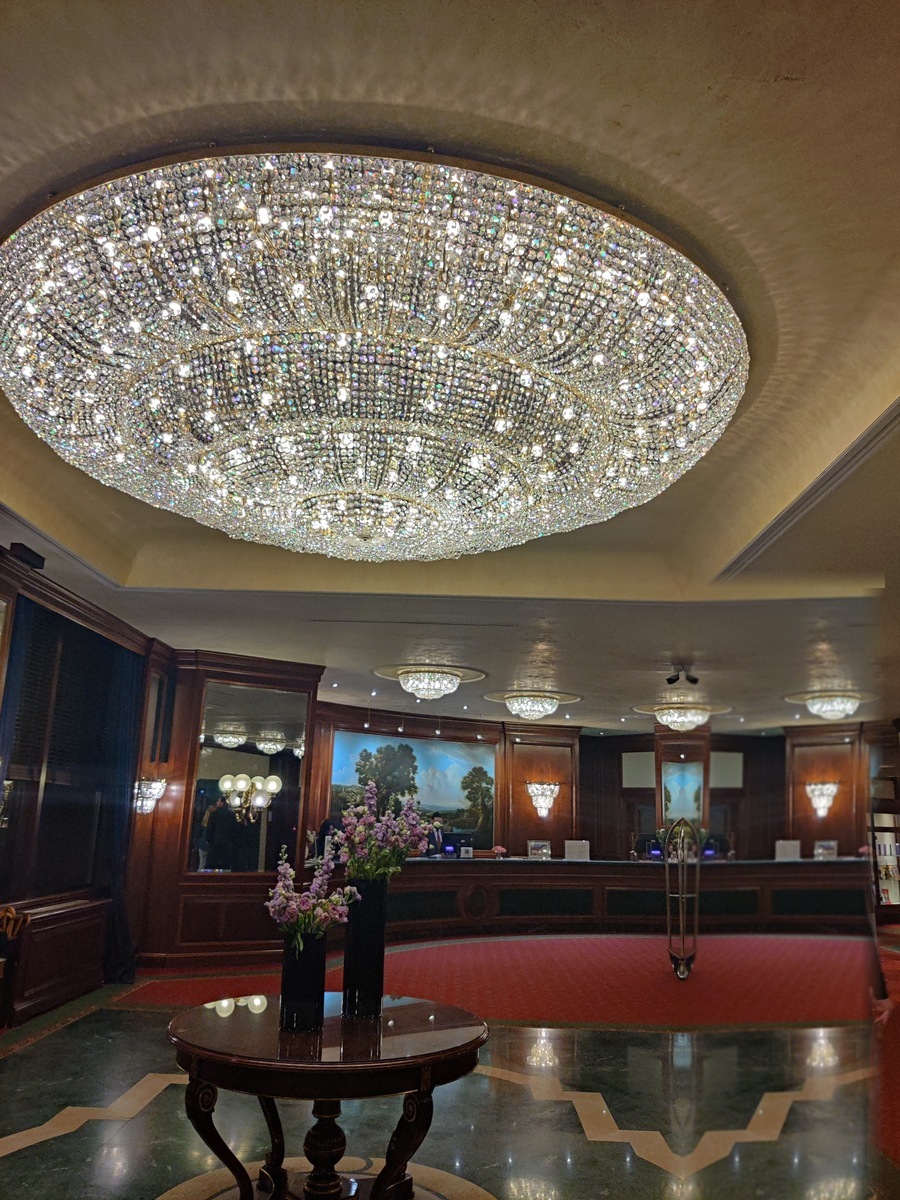
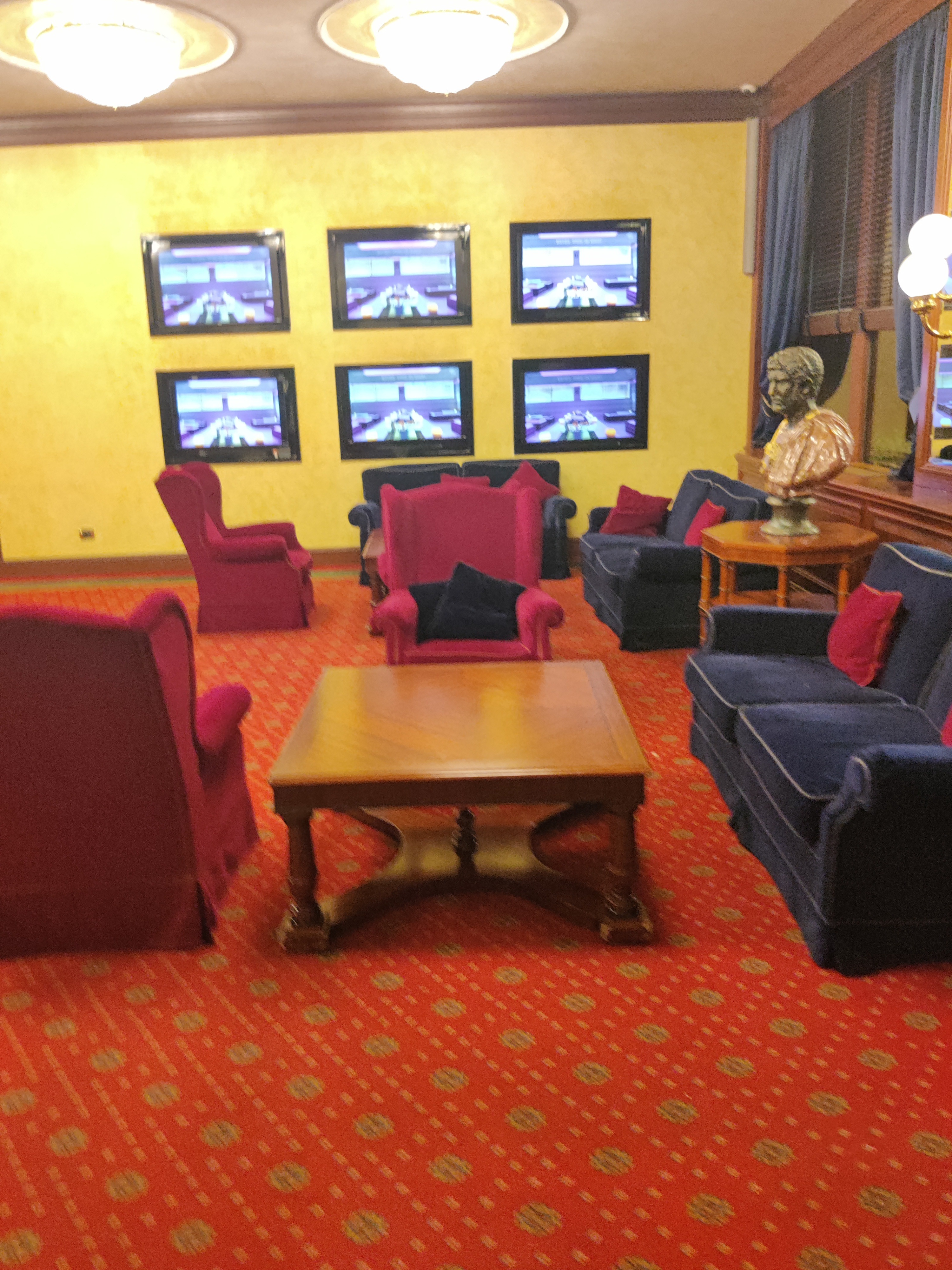
Hotel lobby viewed from below the grand crystal chandelierHotel lounge with velvet armchairs and multiple framed screens on the wallRestaurant table set with bread box, balsamic vinegar, olive oil, red wine and crème brûlée amuse-bouchePan-seared fish with crispy skin, pomegranate sauce drizzle and seasonal vegetables on white plate

Day 1 - arrival

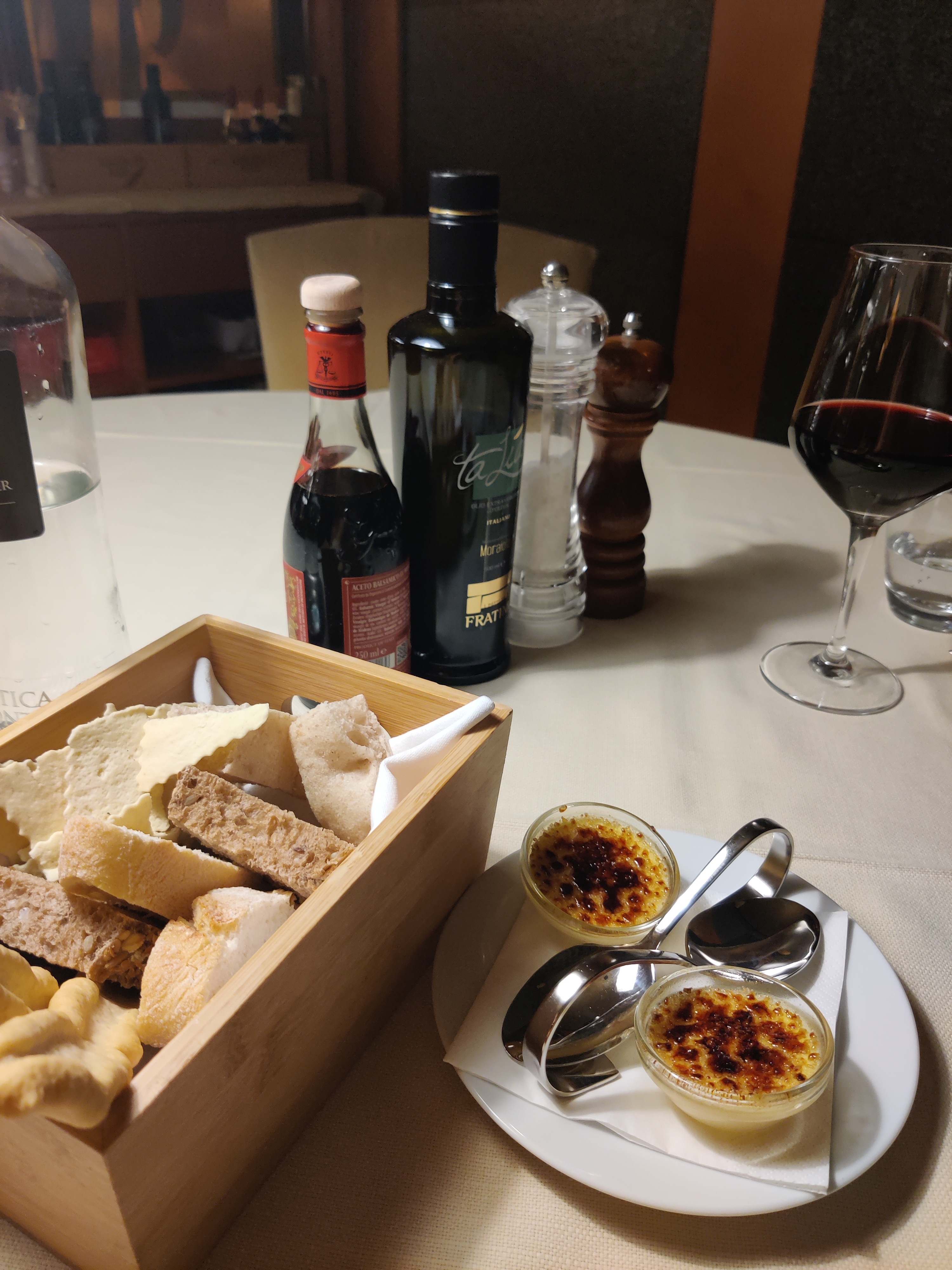
We arrived at the Royal Hotel Carlton and checked into a large, comfortable room. It was 20:00 — dinner time. The hotel restaurant Spoon was better than expected: olive oil from last November's harvest, Giuseppe Giusti balsamic vinegar with the bread, and a crème brûlée amuse-bouche on a parmesan base — the slight saltiness from the cheese worked well with the caramelized crust. The seabass was cooked well. It was my first time in Italy and a good introduction.

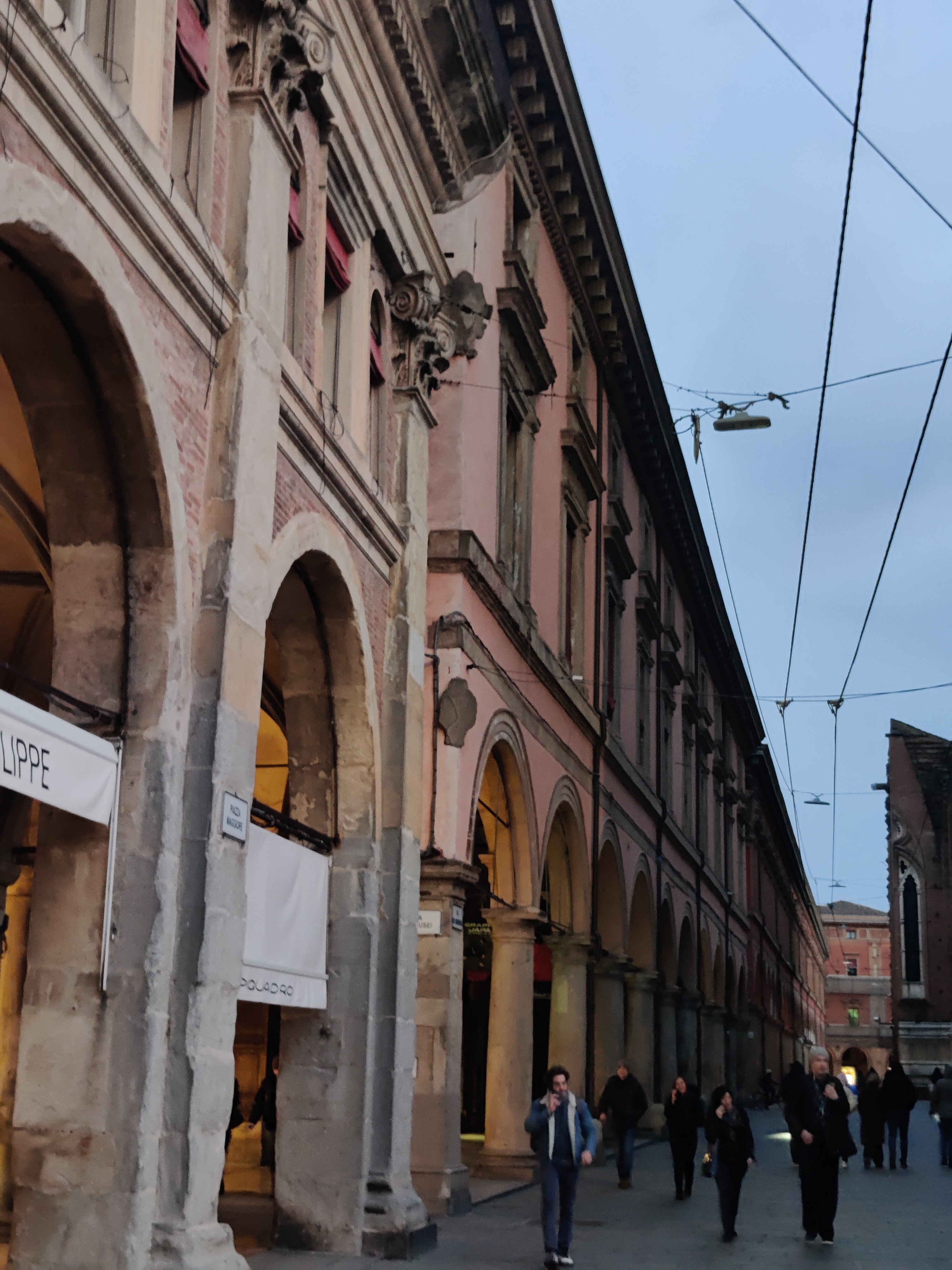
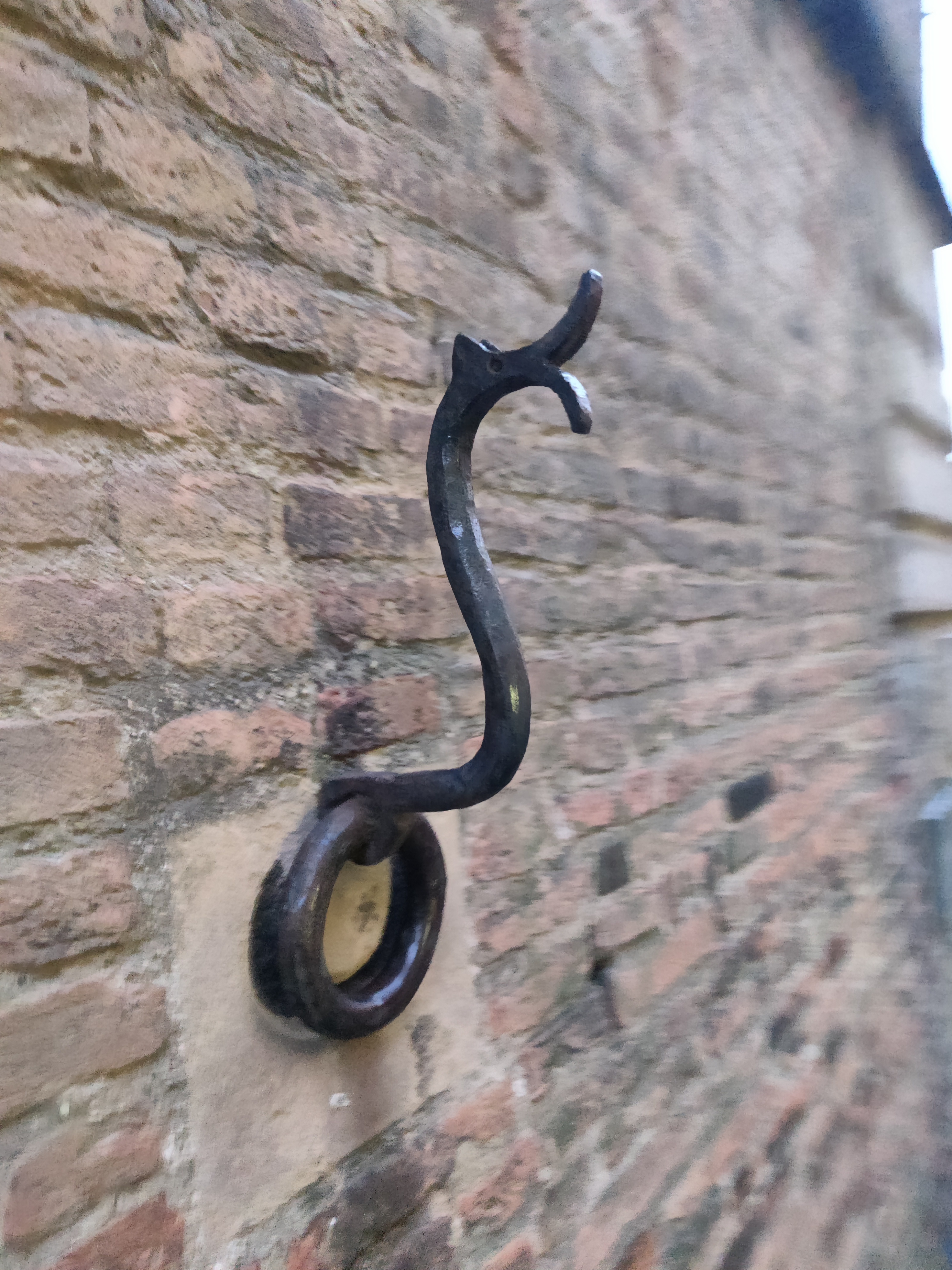
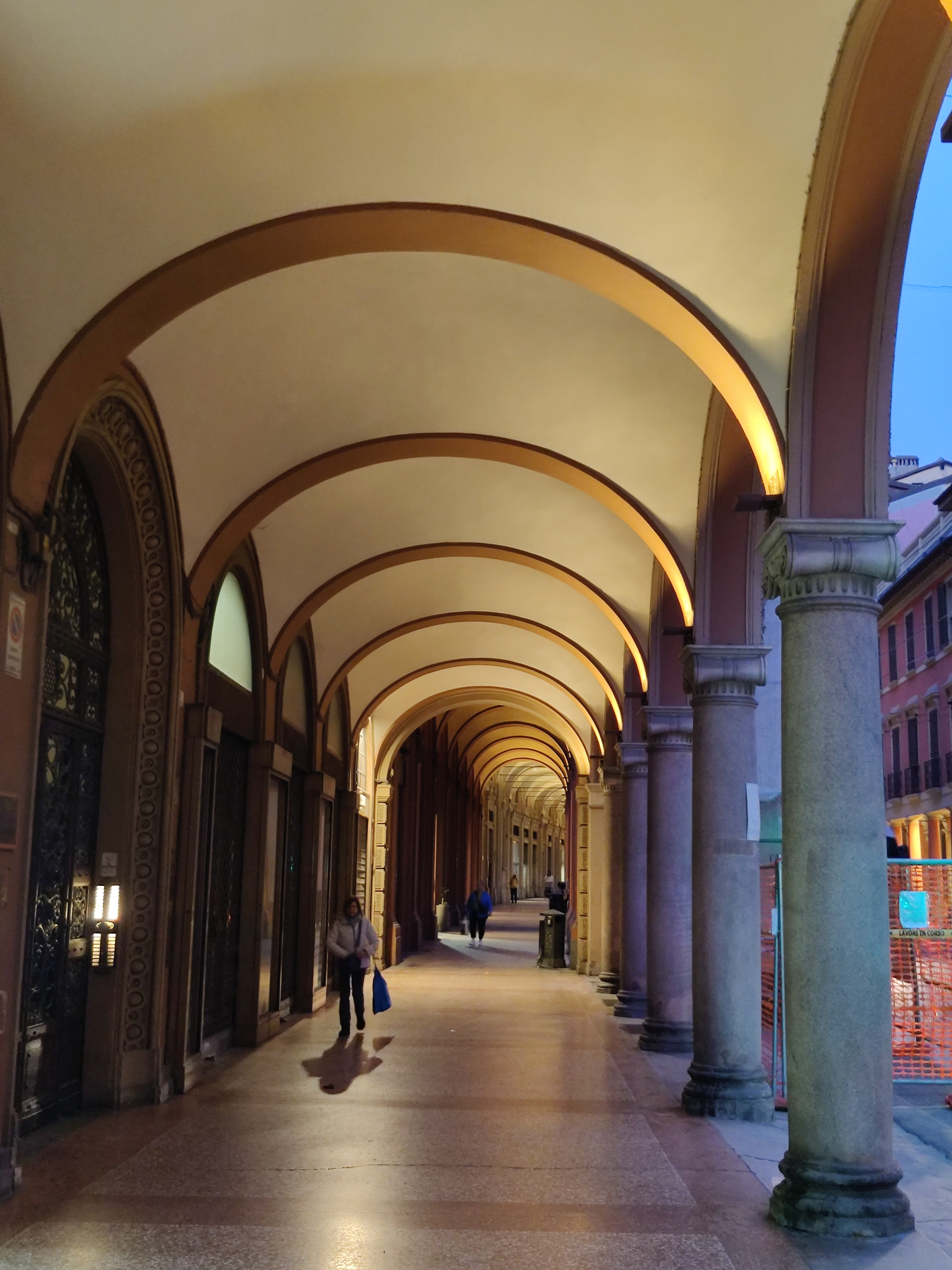
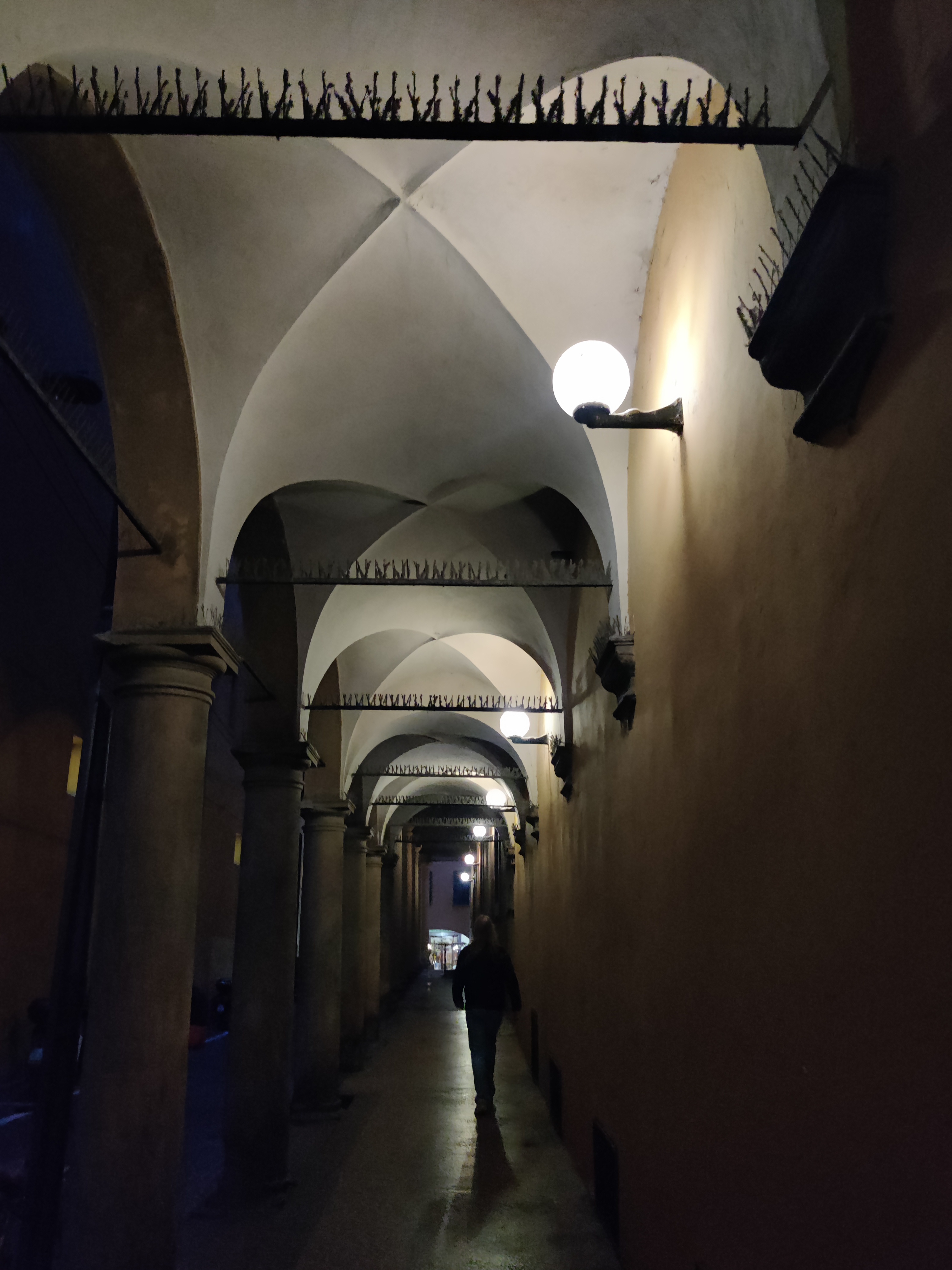
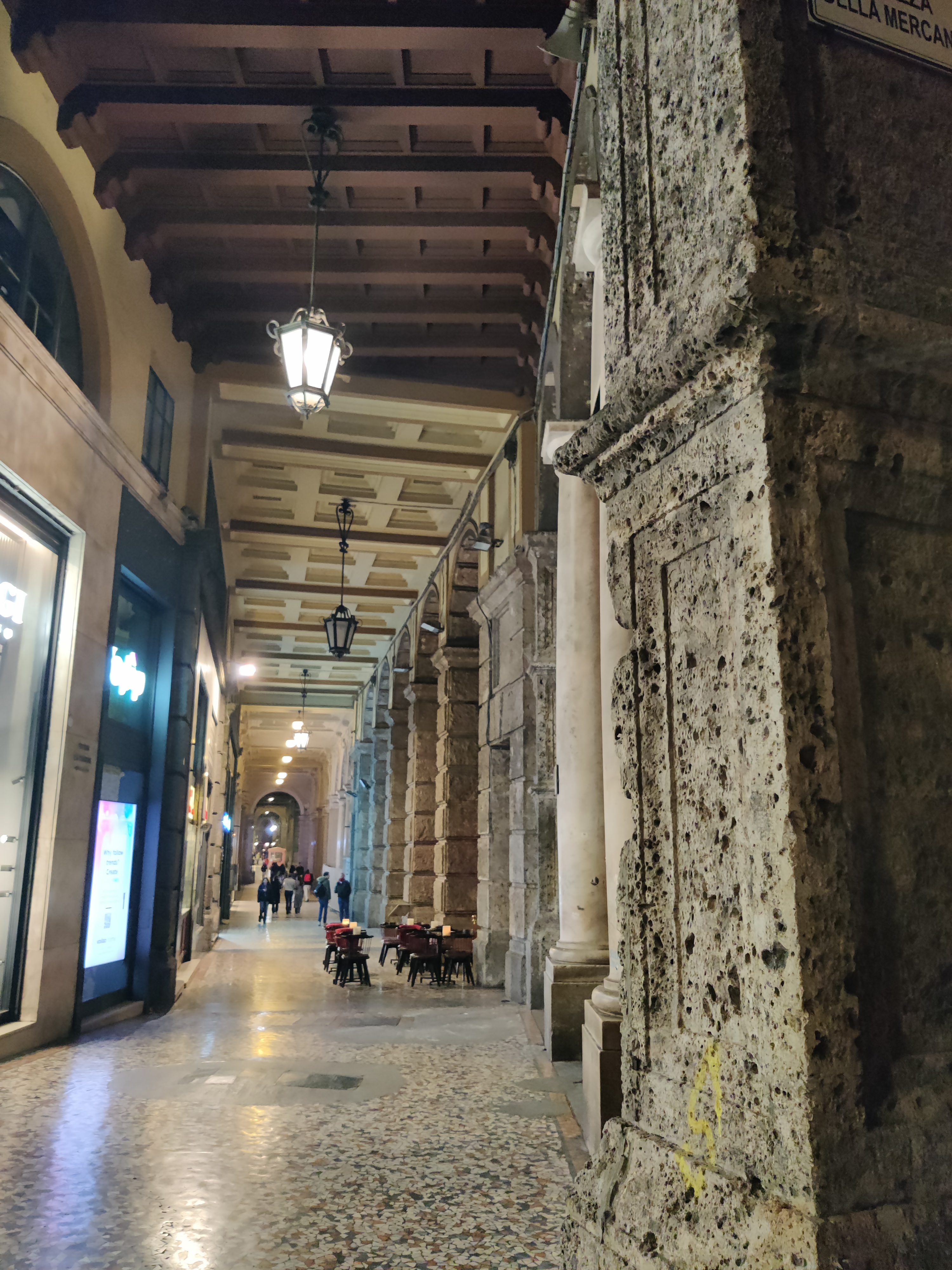
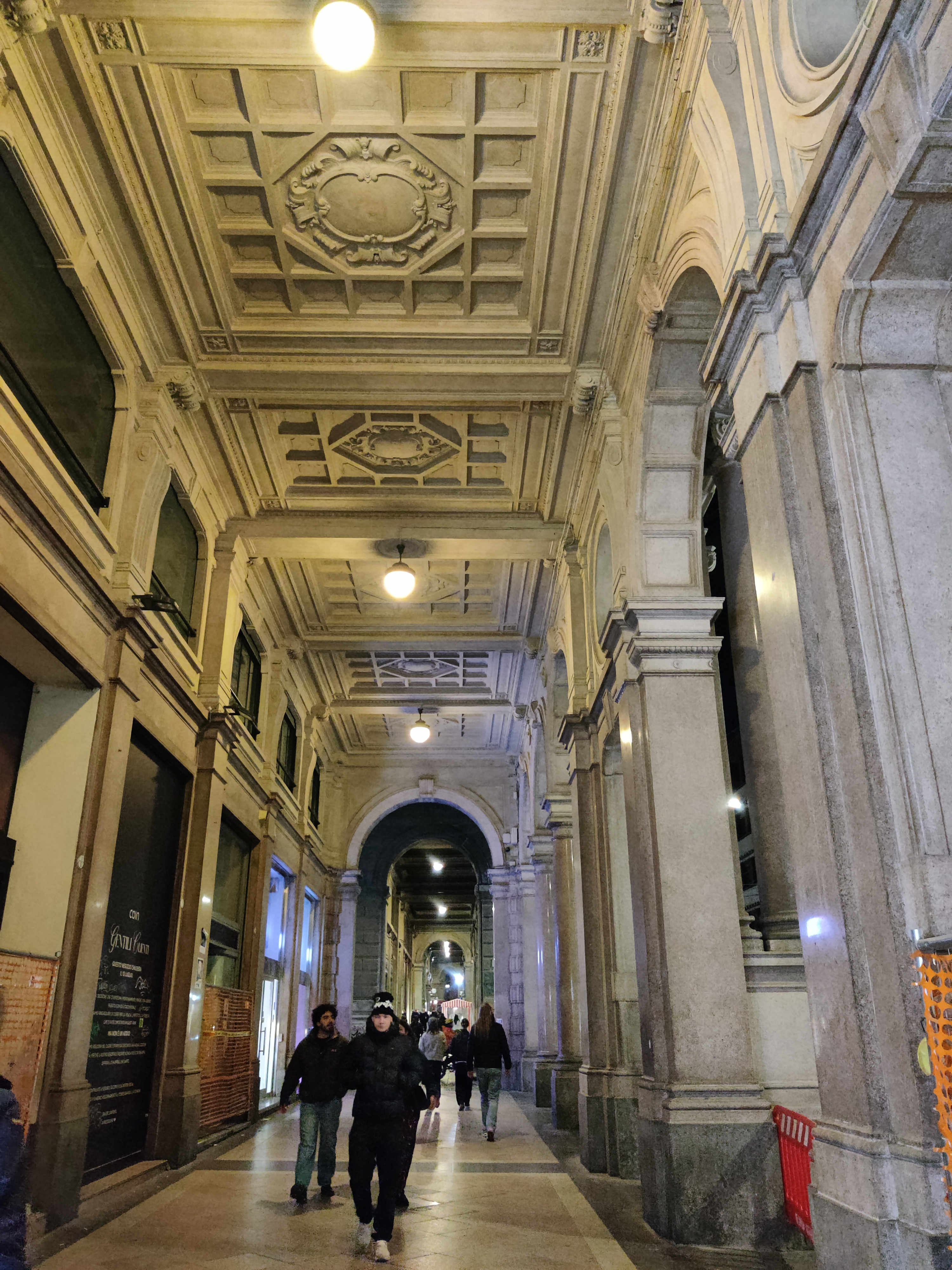
Bologna street at dusk with the medieval Due Torri towers rising above the rooftopsPalazzo d'Accursio clock tower at sunset over Piazza Maggiore with dramatic cloudsLong row of stone portico columns and arches lining a Bologna street at duskOrnate medieval iron hook and ring fixed into an ancient brick wallWarmly lit Bologna portico with repeating barrel-vaulted arches stretching into the distanceDark atmospheric portico corridor with medieval groin-vaulted ceiling and globe wall lampsNight-time Bologna portico with worn stone columns, hanging lanterns and a street sign for Piazza della MercanziaElegant Renaissance portico with ornate coffered ceiling and tall classical columns at night

Day 2 - The Porticoes of Bologna

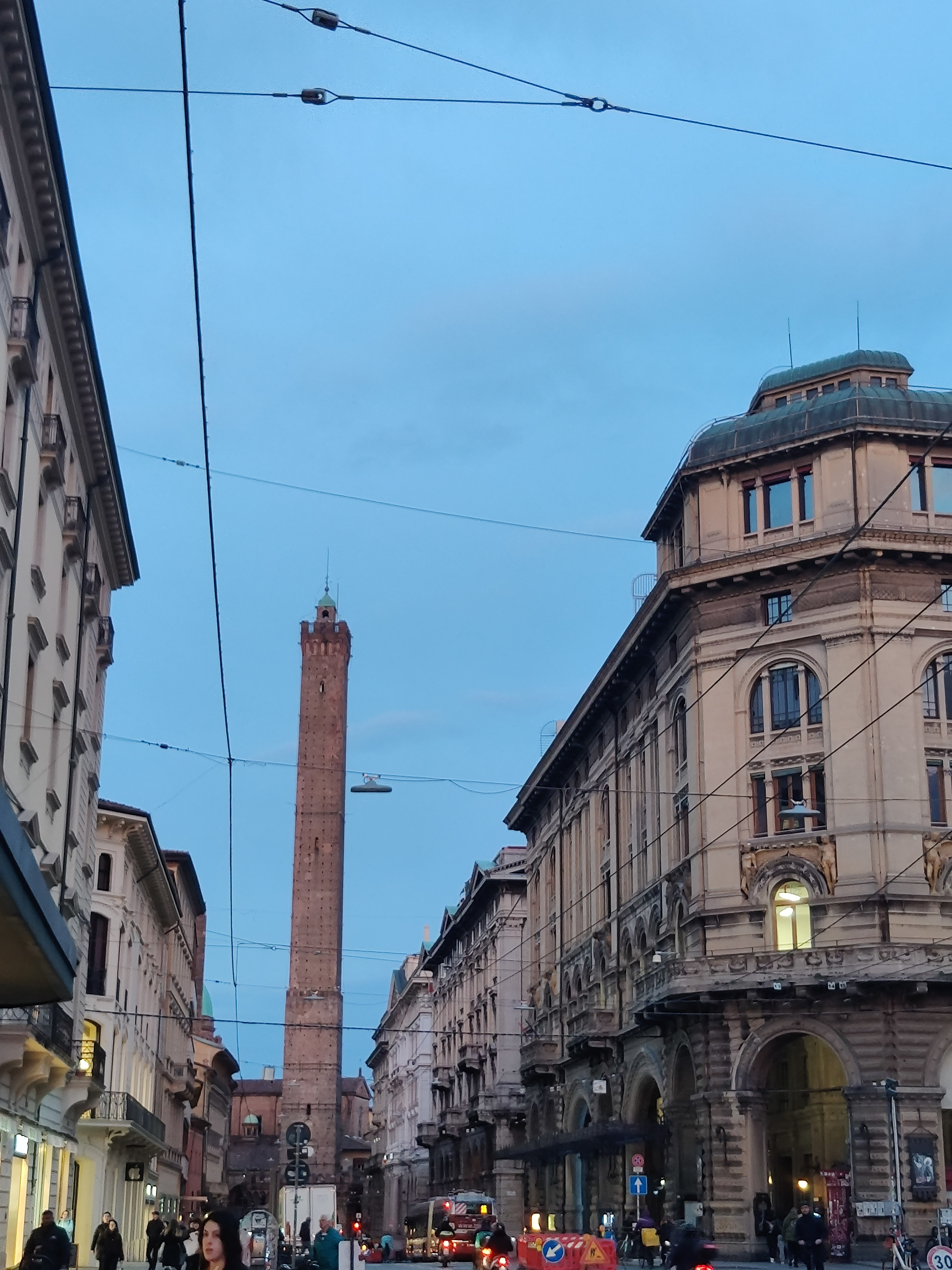
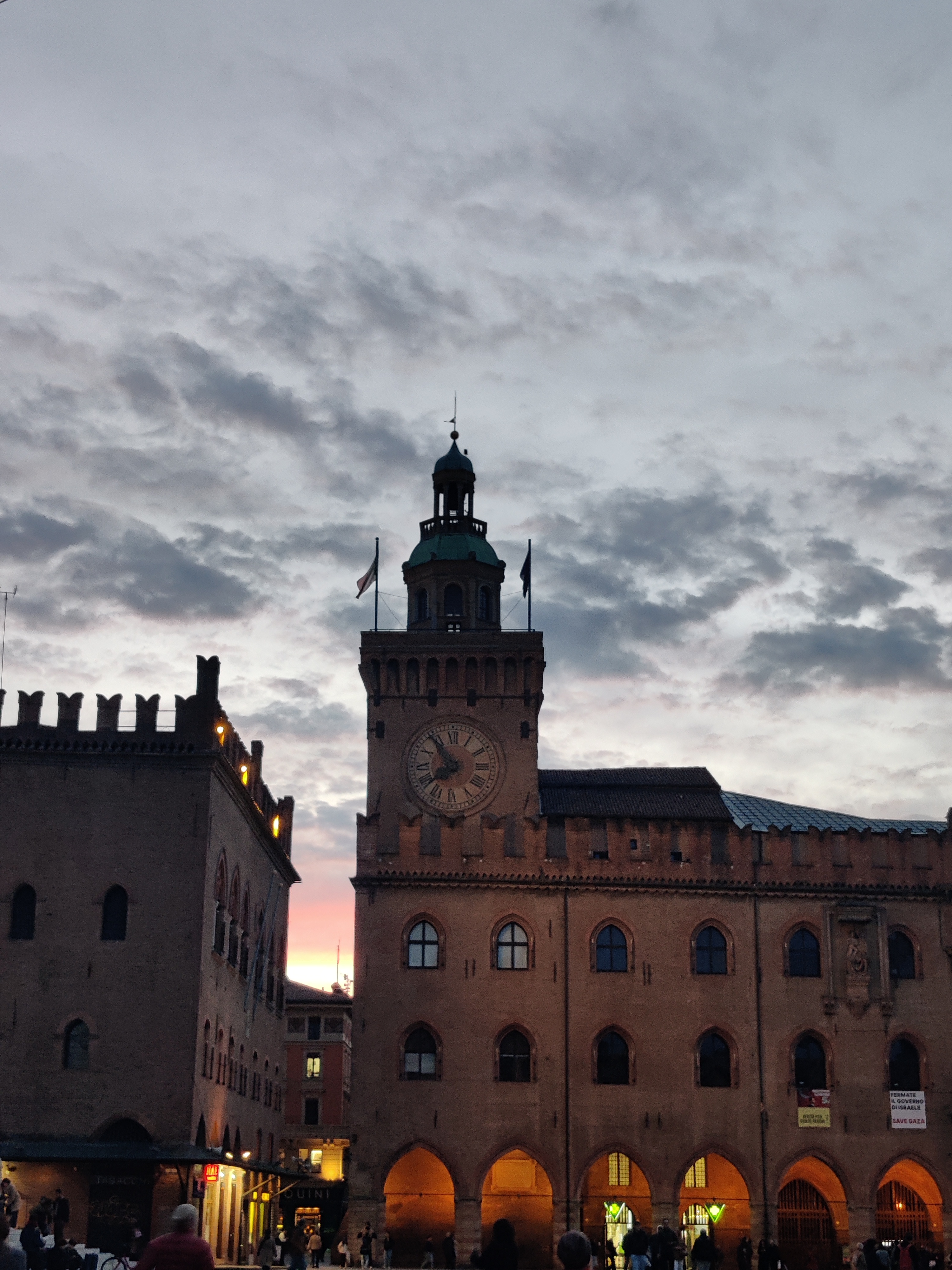
Bologna has over 38 kilometres of covered porticoes — the longest network in the world and a UNESCO World Heritage Site since 2021. They date back to the 12th century, when the city's growing university pushed landlords to extend upper floors out over the street to create more space. Different eras left different styles: the older quarters have medieval groin vaults, the area near Piazza Maggiore has Renaissance coffered ceilings. The Due Torri (Two Towers) are what remain of a medieval period when wealthy families competed to build the tallest tower in the city — there were over 100 of them at one point.

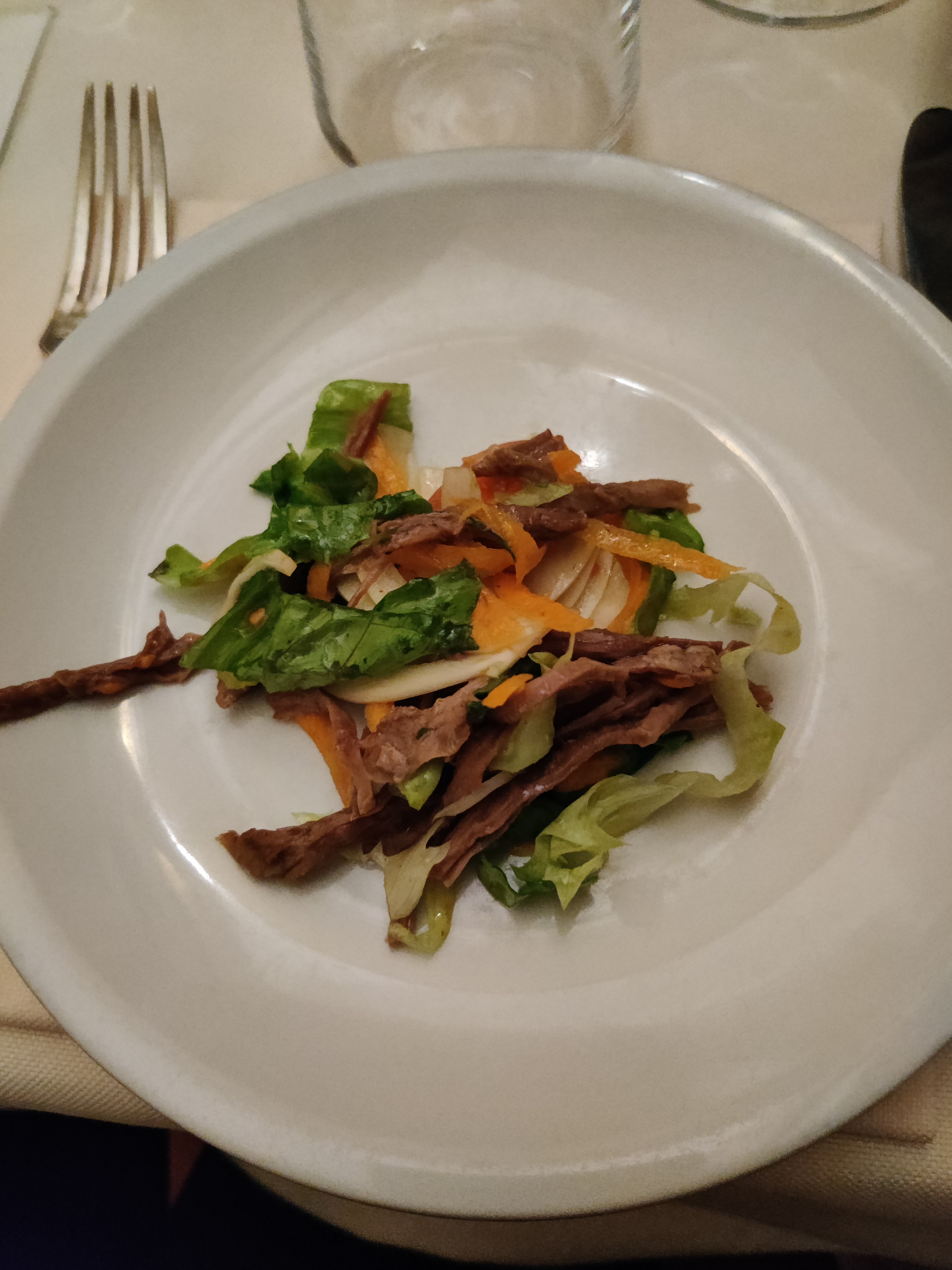
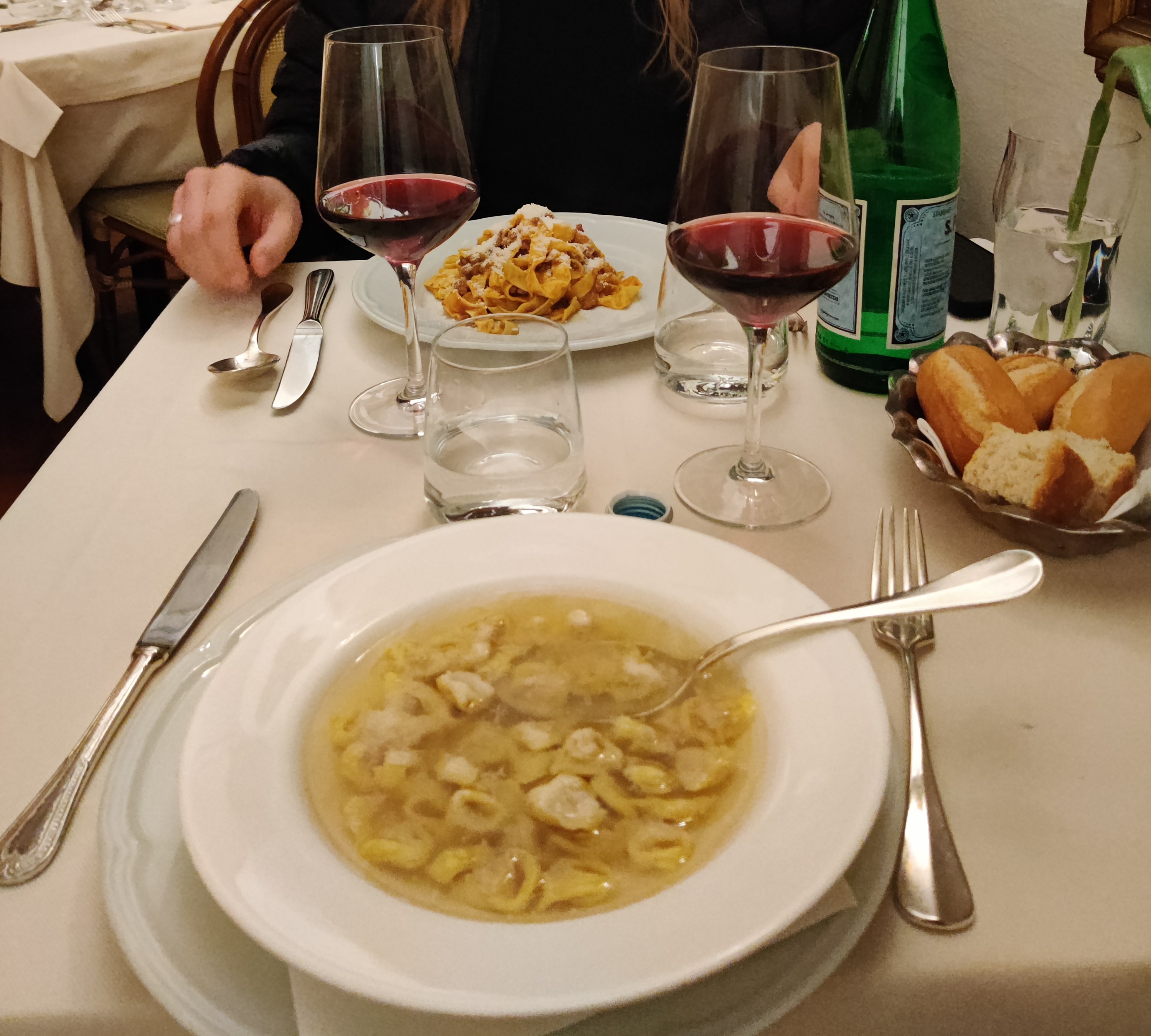
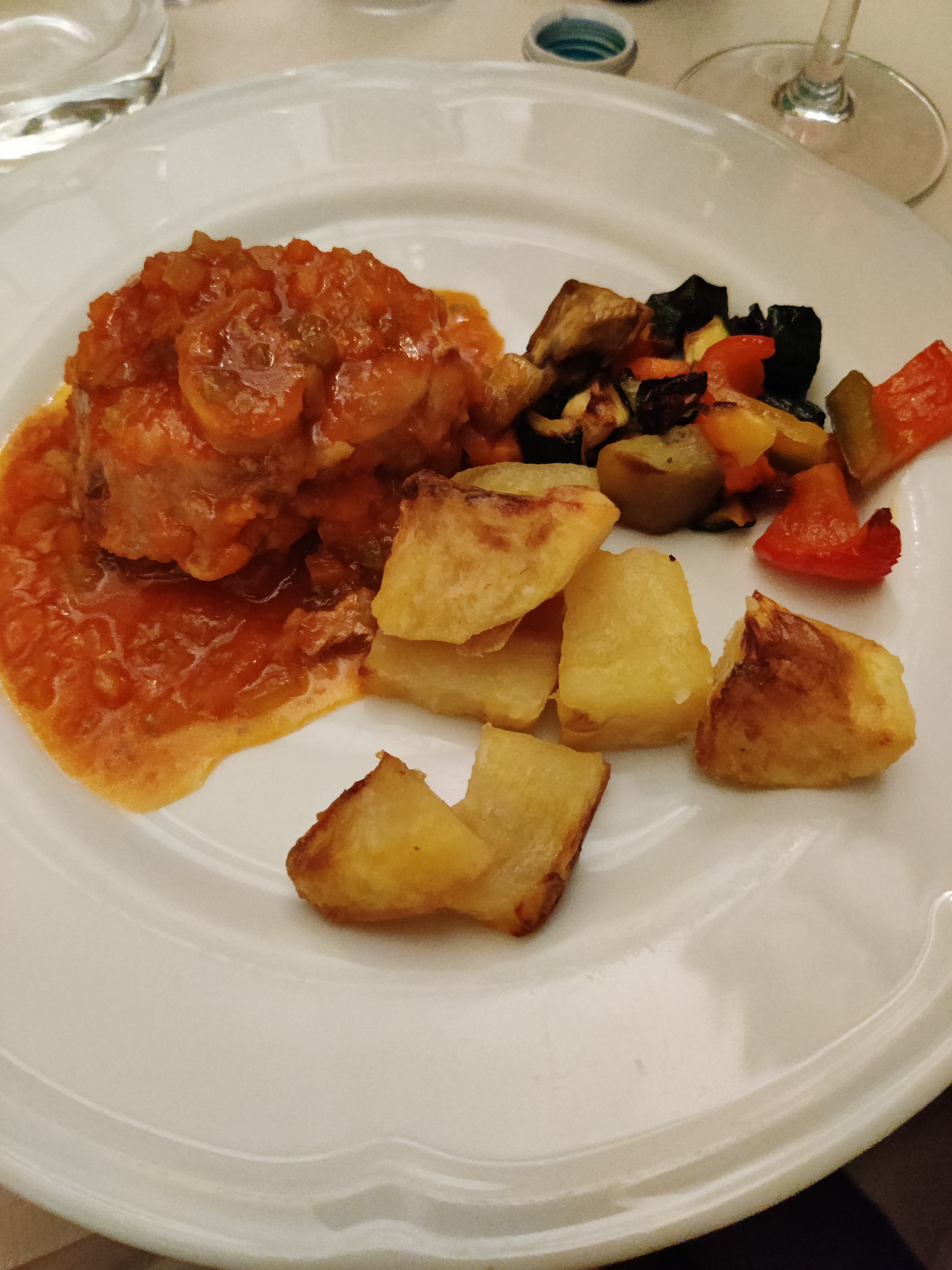
Starter of thinly sliced braised meat with mixed salad leaves and colourful roasted vegetablesRestaurant table with Tortellini in Brodo in the foreground and Tagliatelle Ragù in the background, two glasses of red wineMain course of braised meat in rich tomato sauce with roasted potatoes and grilled seasonal vegetables

Day 2 - Drogheria della Rosa

We had dinner at Drogheria della Rosa, a small restaurant with paintings covering most of the walls. We ordered Tortellini in Brodo — tortellini in a capon broth, the classic Bologna dish. The shape is said to come from a 16th-century innkeeper who was so taken by a noblewoman's navel that he modelled his pasta after it. The broth was clear and well seasoned. The Tagliatelle Ragù that followed was the best I've had — I tried it in five places across Emilia-Romagna, and this one stood out. The pasta had a good bite and the sauce had the right balance between salt, oil, and meat, without any one element taking over.